Where Structure Meets Function 

When bite, joints, and muscles work in harmony, everything feels better. Function influences how you chew, speak, breathe, and experience comfort every day.

How Your Bite Feels and Works Every Day

Most people think about their teeth only when something hurts. But long before pain appears, your muscles, joints, and bite are working together every time you chew, speak, swallow, and breathe. In this short video, Dr. Hamidi explains how function influences comfort, stability, and long-term health, and why understanding how your system works is often the key to understanding why symptoms develop in the first place.

Understanding the Role of Function in Oral Health 

Healthy teeth are only one part of a healthy oral system. Many patients have beautiful restorations, straight teeth, and healthy gums, yet still experience headaches, jaw pain, clenching, facial tension, or chronic wear.

Why? Because function is about more than what your teeth look like. It is about how your teeth, muscles, joints, and nervous system work together every day.

When those relationships become imbalanced, the body compensates. Over time, those compensations can create symptoms throughout the entire system. That is why function is one of the core pillars of our approach.

TMJ Evaluation & Therapy

Understanding the Jaw Joint

The temporomandibular joint, or TMJ, is one of the most complex joints in the body. Every time you chew, speak, yawn, or swallow, your jaw joints are working. When they function properly, you rarely notice them. When they don’t, symptoms can appear throughout the face, head, neck, and shoulders.
Common Signs of TMJ Dysfunction:
Our evaluation process helps identify whether joint dysfunction may be contributing to your symptoms and what steps may be appropriate moving forward.
Bite Alignment & Occlusal Balancing

When the Bite Is Out of Balance, the System Works Harder 

Your bite determines how forces move through your teeth, muscles, and joints. Even small discrepancies can create significant stress over time.
An imbalanced bite may contribute to:
Through comprehensive bite analysis and occlusal evaluation, we assess how your teeth function together during movement, not just when they are sitting still. The goal is not simply to create contact. The goal is to create harmony.
Myofunctional Considerations

The Muscles Matter

Your tongue, lips, cheeks, and facial muscles influence far more than most people realize. The way these muscles function affects:
When muscle patterns are dysfunctional, structural problems often follow. That is why we evaluate muscular function as part of the larger picture and work closely with qualified myofunctional therapists when appropriate. Because changing structure without addressing function often leads to incomplete results.
Appliance Therapy

More Than
a Nightguard

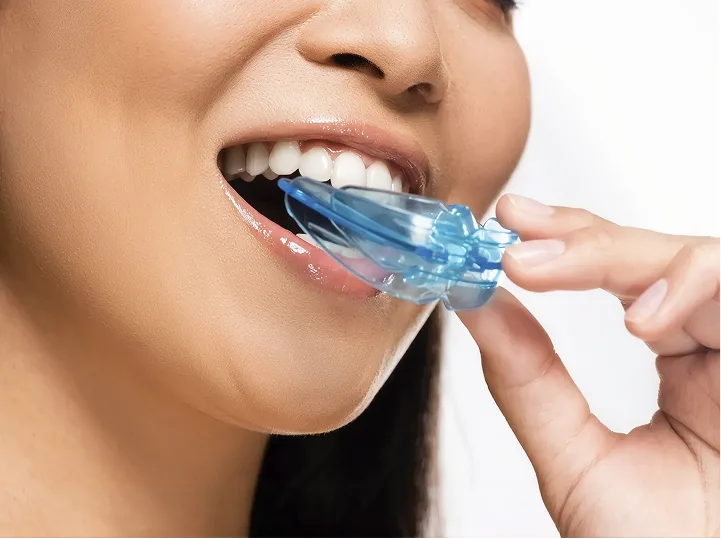
A nightguard can be helpful, but different appliances are designed for different purposes  In reality, not all appliances serve the same purpose.
Depending on your diagnosis, appliance therapy may be used to:
The appliance is never the treatment. It is a tool that supports a larger treatment strategy designed specifically for your needs. That distinction matters.
The Connection Between Structure & Function

Movement Shapes Longevity

Structure and function are inseparable. The way your muscles move influences your teeth. The way your teeth fit together influences your joints. The way your joints function influences your muscles. Everything affects everything else. That is why we evaluate function as part of a complete system rather than as an isolated symptom. When structure and function support one another, treatment becomes more predictable, more comfortable, and more stable over time.

Find the Source of the Strain

Jaw pain, headaches, clenching, and chronic wear often have deeper causes. Schedule a consultation and discover how bite, muscle, and joint function may be influencing your health.